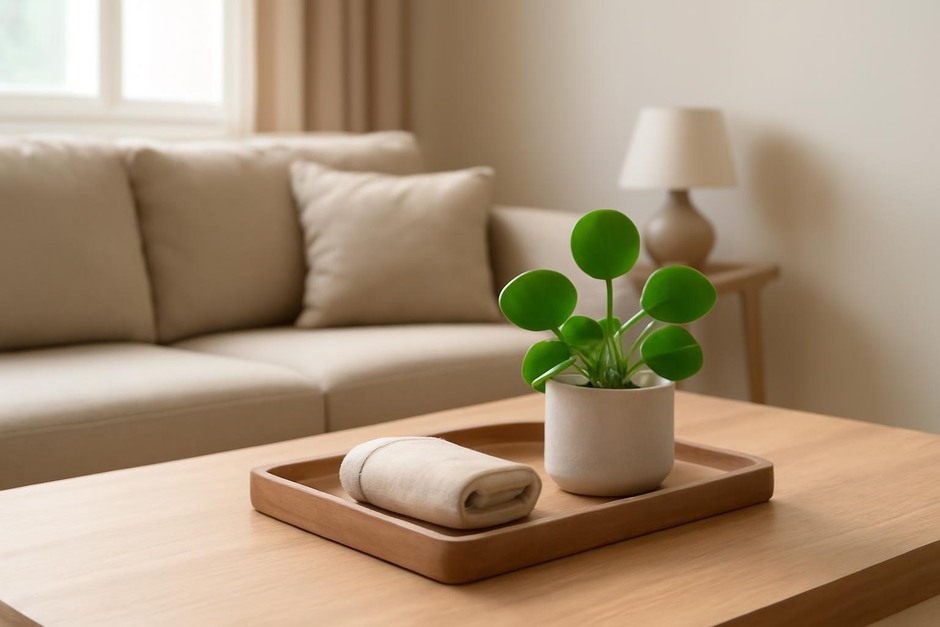
Surface Maintenance: Four Habits That Keep Every Room Feeling Tidy
When a room feels messy, it’s often because the surfaces people see and touch are out of order: the entry table piled with mail, the kitchen counter dotted with dishes, the bathroom sink crowded with toiletries. Focusing a little attention on surfaces, with habits designed around ease and repeatability, creates a disproportionate effect on how calm a space feels. Below are four focused habits — each built on a clear principle — and short, concrete examples you can try right away.
1. Sweep a Surface in Five Minutes (Principle: Fast wins beat perfect)
Big cleaning sessions are exhausting and easy to postpone. Instead, commit to a five-minute sweep of one visible surface each day. The goal isn’t perfection; it’s removing the clutter that most influences your sense of calm.
Small examples
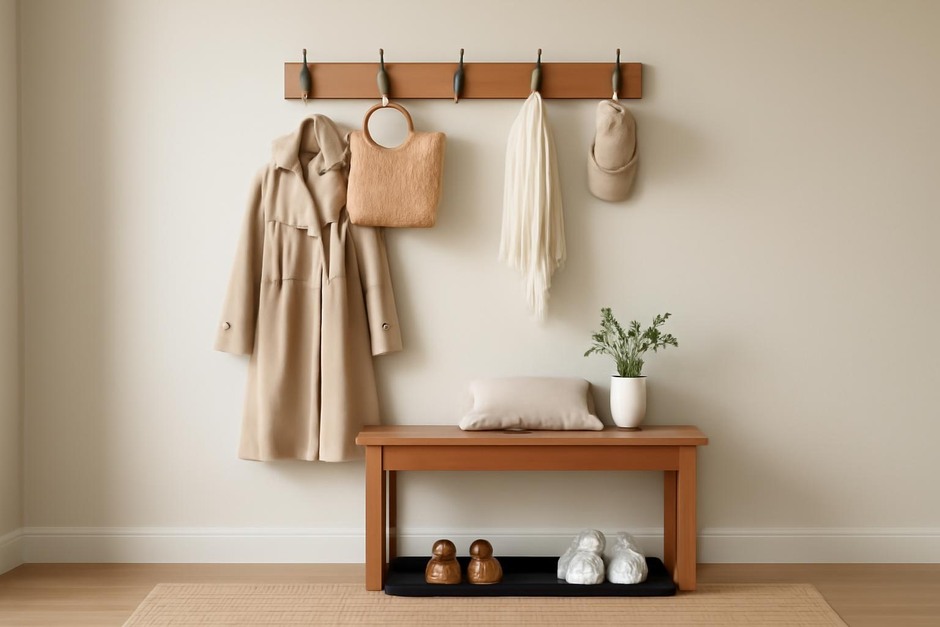
- Entry table: sort incoming items into three piles — keep, relocate, recycle. Put the keep pile in a small tray and tuck the relocate pile into a basket for later.
- Coffee table: collect mugs, coasters, and stray papers; stack magazines neatly or place them in a basket.
- Kitchen counter: gather dirty dishes and load the dishwasher or stack them by the sink; wipe crumbs with a damp cloth.
Why it works: a short timer removes the friction of starting. Repeating the five-minute sweep trains attention to what visibly matters.
2. Keep a Containment Habit (Principle: Contain first, sort later)
When you don’t want to spend time deciding where something goes, put a short-term container in the room. Containment reduces visual noise and prevents items from spreading across surfaces.
Small examples
- Bedroom: keep a shallow tray on the dresser for glasses, keys, and watch; empty it once a week.
- Bathroom: a small basket under the sink for single-use toiletries or products you’re testing; review and purge monthly.
- Home office: a desktop inbox for papers that require attention; process it in one 15-minute session twice a week.
Why it works: containment lowers decision fatigue. You can postpone exact sorting until a scheduled time without letting clutter accumulate.
3. Target High-Impact Touch Points (Principle: Focus on what people notice and use)
Some surfaces affect the room’s perception more than others: the sink, the kitchen counter around the stove, the dining table. Prioritizing these touch points makes a space feel cared for, even if less-used areas are ignored for a while.
Small examples
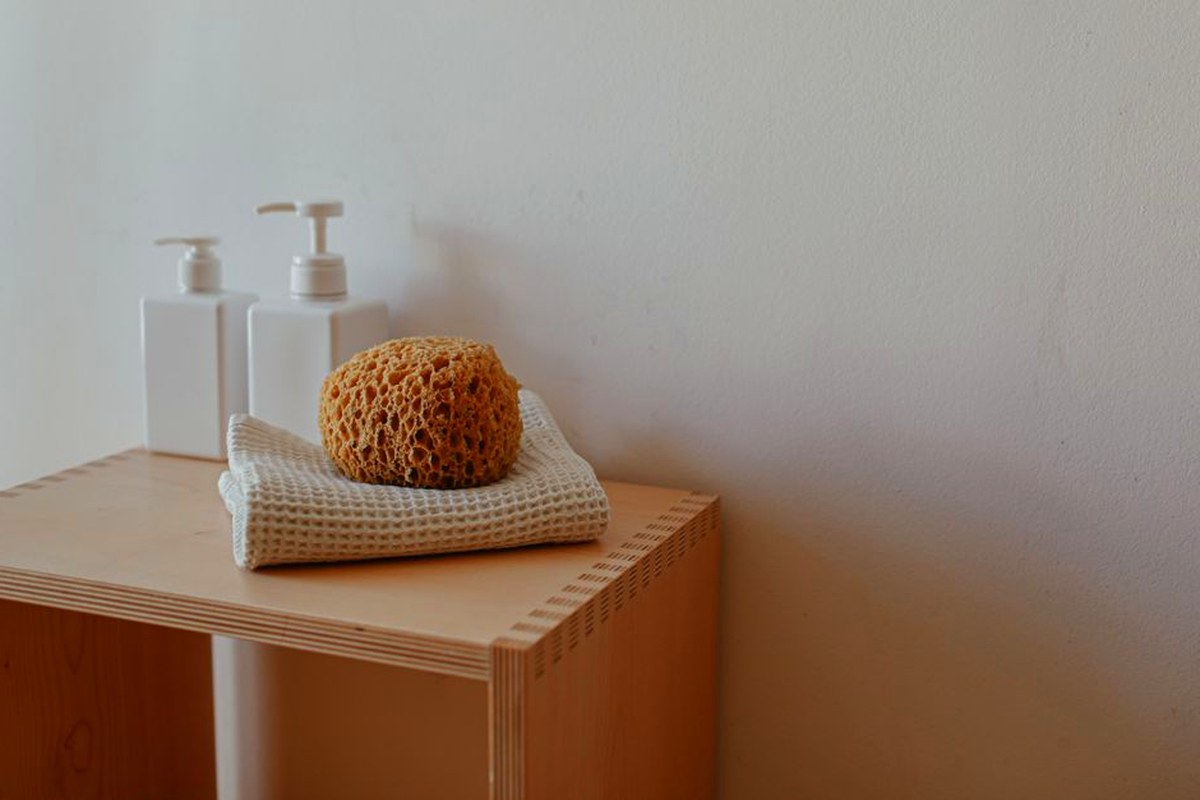
- Bathroom sink: keep just your daily essentials on the counter and store extras in a drawer; wipe the sink daily after use.
- Kitchen near stove: maintain a small, designated spot for frequently used tools and wipe splatters immediately with a cloth.
- Dining table: use a simple centerpiece or tray so it’s clear where items belong; clear dishes within 30 minutes after a meal.
Why it works: people form impressions from what they touch and see most often. A few high-impact actions create the sense of an orderly home with minimal effort.
4. Pair a Tidy Action with an Existing Cue (Principle: Habit anchors beat willpower)
Pairing a micro-clearing action with an established routine makes it automatic. You’re not adding a new chore so much as folding a small tidy behavior into something you already do.
Small examples
- After making coffee: quickly wash the mug or put it in the dishwasher and wipe the counter where you brewed.
- Before bedtime: do a 60-second walk to return items that belong elsewhere — shoes by the door, dishes to the kitchen.
- After getting dressed: place worn clothes directly in the laundry basket instead of on a chair.
Why it works: cues that already exist in your day remove the need to remember a new habit. Over time, small actions fused with daily routines become second nature.
These four habits — short surface sweeps, containment, focusing on high-impact touch points, and anchoring actions to existing routines — connect simple principles to tiny, doable examples. They’re not about achieving spotless perfection; they’re about making visible spaces function and feel calmer with minimal friction.
Try one habit at a time for two weeks and notice how the room’s feel changes. Small, repeated wins build a steady sense of order that’s easier to maintain than infrequent, exhaustive cleanups.